
1. Sebaceous Hyperplasia: Those Stubborn Little Yellow Humps
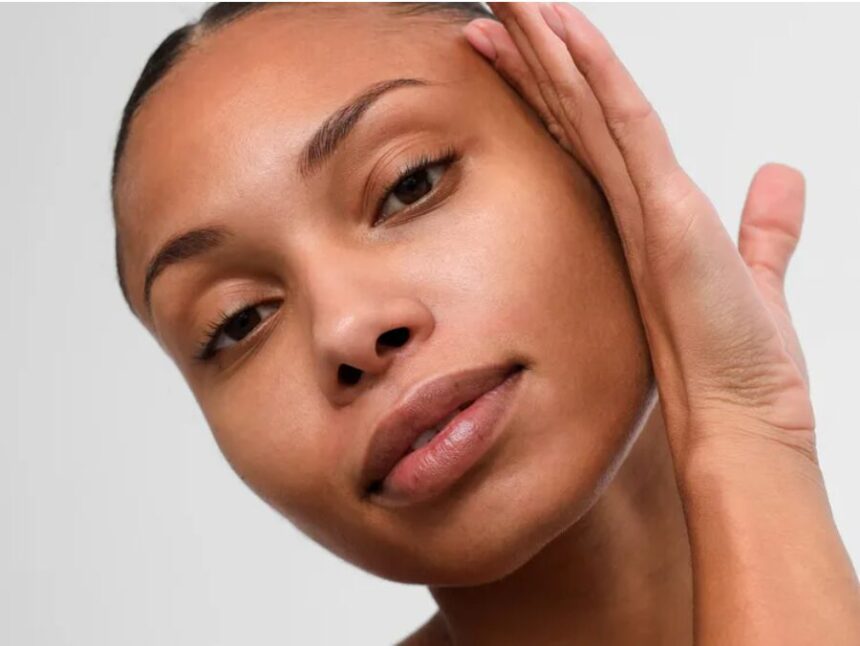
Sebaceous hyperplasia is a common benign skin condition that often appears quietly on the cheeks, forehead, or nose after middle age: small, soft, waxy yellow bumps, occasionally with a slight depression in the center, like gently pressed jelly, but painless and non-itchy.
It stems from overactive sebaceous glands, influenced by age, hormones, and accumulated sun exposure, and is not an infection or hygiene problem.
Although it poses no health risk, many people seek intervention due to aesthetic concerns.
2. Causes and Identification: Don’t Mistake It for Acne Scars
These bumps are not pimples or milia; their root cause is the proliferation of sebaceous gland cells, which, after becoming blocked, swell into umbrella-shaped structures. It is common in people over 40, especially those with a long history of sun exposure.
- Key Characteristics:
- Size 2-5mm, waxy yellow or skin-colored, soft and elastic, painless when pressed.
- Location is predominantly on the central face, occasionally seen on the trunk; multiple rather than isolated. – Easily Confused: Similar to basal cell carcinoma (BCC), which has irregular borders, grows rapidly, and has a scab—if in doubt, seek medical attention immediately for differentiation.
- Triggering Factors: Hormonal fluctuations (such as menopause), immunosuppressive drugs, or genetic predisposition.
3. Home Care: A Gentle Daily Strategy
No need to rush to medical attention. Mild cases can start with gentle skincare, aiming to control oil and promote cell renewal. Results require several months of patience.
- Preferred Active Ingredients:
- Retinol (Vitamin A): Use at a low concentration at night to accelerate cell turnover and shrink glands; gradually increase the concentration to avoid irritation initially.
- Salicylic Acid: Cleanses pores and reduces oil buildup; use as a morning and evening serum.
- Niacinamide: Repairs the skin barrier, reduces oil secretion, gentle and suitable for all-day use.
- Lifestyle Adjustments:
- Daily sunscreen with SPF 30+ is essential; avoid foods that cause hormonal fluctuations; use gentle cleansers, preferably alcohol-free.
- Home remedies: Apply diluted tea tree oil as a spot treatment or use a turmeric mask (twice a week) to aid anti-inflammation, but not as the primary treatment.
4. Professional Intervention: Precise Removal from Laser to Electrocautery
When home remedies are ineffective, clinic treatments are highly targeted and often effective after a single treatment; however, choosing the right method is crucial for minimizing scarring.
| Methods | Principles | Advantages and Disadvantages | Recovery Period |
| Laser (e.g., CO2 or pulsed dye) | Vaporizes glands, releasing oil | Precise, applicable to multiple areas; slight redness and swelling may occur | 3-7 days |
| Cryotherapy | Liquid nitrogen freezes and destroys papules | Fast, economical; occasional pigmentation | 5-10 days |
| Electrocautery | Hot needles destroy glands | Immediate smoothing; small risk of scarring | 1 week |
| Photodynamic Therapy (PDT) | Photosensitizer + light-induced cell killing | Non-invasive, multi-area; requires multiple sessions | Redness and sensitivity for a few days |
| Oral Isotretinoin | Suppresses gland activity | Systemic oil control; high recurrence rate, contraindicated during pregnancy | Several months |
Consult a dermatologist to assess skin type and number of papules for a customized treatment plan.
5. Prevention and Follow-up: Long-Term Protection of Skin Balance
The recurrence rate after treatment is approximately 30-50%. The key lies in continuous oil control and monitoring.
- Daily Recurrence Prevention: Retinoid maintenance + niacinamide; avoid hot water washing and oily skincare products.
- When to Schedule a Follow-up Visit: Intervene early if new papules increase or change.
- Mindset Adjustment: View it as a sign of skin maturation, not a defect; professional makeup can cleverly conceal it.